

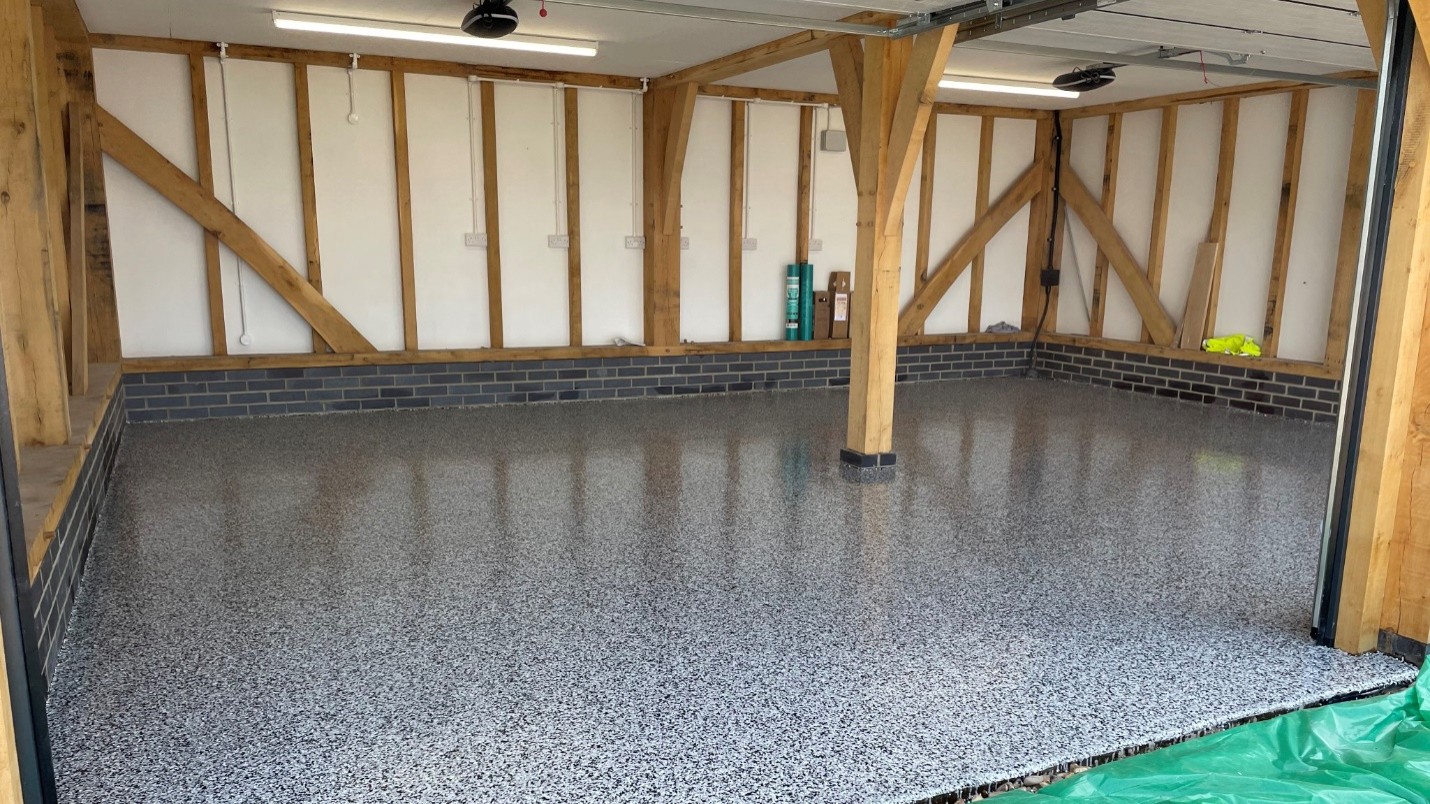
Upgrading your damaged residential vehicle garage floor workspace requires installing highly durable chemical coating materials long before heavy automotive fluid leaks soak down deep into your porous foundation stone. Many smart homeowners look through specialised regional building workshop directories because letting large puddles of dark engine oil sit on bare concrete makes the entire storage area smell bad and look completely messy. Directing a reasonable piece of your seasonal home renovation budget toward thick synthetic protective floor layers gives your mechanical working spaces a highly reliable surface coat for a long time. You really should inspect localised building stability guidelines thoroughly before applying multi-layer liquid epoxy compounds over fresh structural foundation sheets.
Appraising Industrial Polymer Installations
Hiring qualified resin flooring contractors helps regional property owners repair dusty, cracked workshop surfaces without dealing with massive concrete demolition bills further down the road. These experienced floor specialists lay down heavy self-levelling polyurethane mixtures, clear away stubborn surface oil spots using commercial shot-blasting machinery, and apply rough anti-slip colour flakes across your entire parking area. Your installation crew checks underlying concrete moisture retention rates beforehand to avoid bubbles forming underneath your new seamless floor shield. Working with professional chemical application workers ensures your industrial workspace layer stays completely solid against constant rolling tyre pressure.
Fixing Broken Base Slabs
Investing in a proper garage resin flooring finish gives everyday homeowners an excellent opportunity to protect their concrete workshop paths before parking heavy trucks inside. These local trade helpers patch up deep hairline cracks, grind down uneven floor joints, and apply tough liquid plastic coats that resist heavy impact damage from dropped metal tools during busy weekend maintenance work. You need to locate experienced regional installers who know how changing winter temperatures affect liquid chemical curing times so your floor finish hardens perfectly. Following a strict floor preparation plan prevents premature coating peel-offs along high-traffic doorway borders.
Coordinating Multi-Car Parking Surfaces
Choosing between glossy decorative metallic coatings and heavy-duty textured quartz finishes depends mostly on how often you work on your private cars. Incorporating a smart structural polymer framework allows you to balance your coating thickness according to your expected vehicle weight. Large multi-functional automotive storage facilities require an organised space setup to keep vehicles moving through deep service bays smoothly without tight parking space limitations. Splitting your chosen floor installation routines evenly across separate calendar sections keeps your entire personal workshop layout feeling remarkably simple and highly organised.
Eliminating Humid Concrete Dusting
Leaving bare concrete floor spaces completely unsealed creates massive piles of fine white chalky dust that settle all over your expensive storage boxes and stored household tools. Your local floor monitoring helpers need to watch your lower garage walls continuously during damp spring weather to spot hidden rising damp issues early on. Catching these moisture problems quickly allows your renovation team to roll out specialised liquid damp proof membranes before applying the final colored topcoat. Keeping your lower foundation zones properly sealed ensures your internal workshop air stays remarkably clean and safe for your family.
Conclusion
Developing an efficient industrial floor upgrade plan requires assessing your exact foundation moisture levels, choosing proper chemical compounds, and maintaining correct liquid application temperatures. Navigating the premium home workshop transformation options displayed on garageupgrade.co.uk allows British property owners to analyse accurate material expenses and customised floor curing timelines easily. Overlooking initial diamond grinding preparation work or using cheap retail hardware store paint always results in major coating flaking and ugly tyre peel marks after a few months of use. Professional floor specialists must check your concrete slab density in person before pouring self-levelling materials or rolling out heavy industrial sealants. Please get in touch with our main technical advisory branch today to discuss your specific workspace parameters and book an initial floor inspection.

