

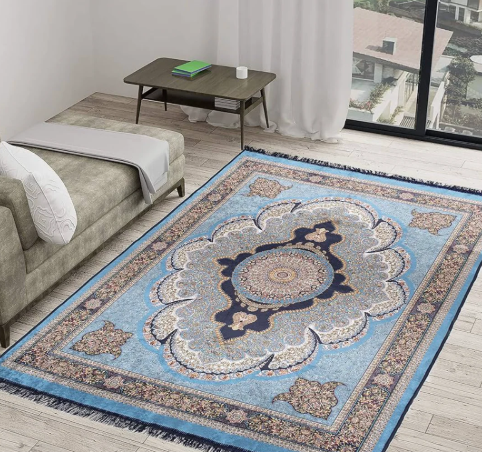
Minimal rugs create visual impact through color, texture, size, and shape—not patterns. The right design choices anchor a room, define zones, and bring calm to any space. This guide breaks down exactly what to look for when you buy rugs with a minimal aesthetic.
A minimal rug doesn’t shout. It grounds. It anchors furniture, defines space, and quietly transforms a room—without a single decorative pattern in sight. Yet so many people underestimate how much work goes into making that simplicity look right.
The truth is, minimal design requires more intentional decision-making, not less. Color, texture, size, shape, and material all play a significant role in whether your rug pulls a room together or falls flat. Get those choices right, and your space feels calm, considered, and complete.
This guide walks you through each decision point—so you can choose with confidence.
Why Color Selection Is the Foundation of Minimal Rugs
Color does the heavy lifting in a minimal rug. Without patterns to distract the eye, the hue you choose sets the entire tone of your room.
How do neutral tones affect the look of a room?
Neutral tones—think warm ivory, soft beige, charcoal, and natural stone—work as a visual anchor. They let your furniture take center stage while keeping the floor grounded. Neutral minimal rugs also adapt well across seasons and furniture changes, making them a long-term investment rather than a fleeting trend.
Can bold solid colors work in a minimal interior?
Absolutely. A deep navy, terracotta, or forest green rug in a solid tone adds personality without introducing visual clutter. The key is restraint elsewhere—keep your walls and larger furniture pieces neutral so the rug has room to breathe.
One practical tip: watch how light moves through your room during the day. A rug that looks warm and honey-toned in morning sunlight can read as much cooler in the evening. Test swatches or order samples before committing to a color. This single step saves a lot of regret.
Texture and Material Quality: Where Minimal Rugs Get Their Depth
Without patterns, texture is what gives a minimal rug its visual interest. Run your hand across a flat-weave cotton rug, then across a hand-knotted wool piece—the difference is immediate and significant.
What natural fiber materials work best for minimal rugs?
Wool is the gold standard. It’s durable, naturally stain-resistant, and develops a soft sheen over time. Cotton works well in lighter, more casual spaces. Silk adds a subtle lustre that catches light beautifully—ideal for formal living rooms or bedrooms.
Natural fibers provide tactile depth that synthetic alternatives simply can’t replicate. They also age well, which matters when you’re choosing a piece meant to last.
Why do handmade rugs from India offer better quality?
Handmade rugs in India—particularly those crafted in Bhadohi, South Asia’s largest hub for hand-knotted carpets—carry a level of craftsmanship that machine-made rugs cannot match. Each knot is tied by hand, which means variations in texture and pile height that make the rug feel alive underfoot.
Brands like The Ambiente, based in Bhadohi, work with over 4,000 skilled artisans—the majority of whom are women—to produce rugs that blend traditional weaving techniques with modern, minimal design. With more than 30 years of manufacturing experience behind them through their parent company, Bhadohi Carpets, the quality is not incidental. It’s built in.
When you buy rugs from sources rooted in genuine artisan craftsmanship, you’re not just getting a floor covering. You’re getting a piece with structural integrity and a story behind it.
Size and Placement Strategy: Getting the Proportions Right
Poor sizing is one of the most common mistakes people make with minimal rugs. A rug that’s too small floats awkwardly in the center of a room. A rug that’s too large overwhelms the space.
What rug size works best for living rooms and open spaces?
For living rooms, the standard recommendation is to choose a rug large enough that the front legs of all major seating pieces rest on it. This keeps the furniture visually connected and prevents the room from feeling fragmented.
In open-plan spaces, rug size becomes a zoning tool. A well-placed minimal rug defines the living area within a larger room without requiring walls or dividers to do the job. Placement becomes the design decision.
For dining rooms, leave at least 60–70 cm of rug extending beyond the table on all sides. This ensures chairs stay on the rug even when pulled out.
How does proportion affect minimal design?
Proportion is everything in a minimal interior. When furniture and rug sizing align well, the room looks intentional. When they don’t, even beautiful pieces can feel off. If in doubt, go larger rather than smaller—a generous rug is almost always more effective than a small one.
Shape and Edge Details: The Finishing Touches That Matter
Shape is often overlooked, but it plays a real role in how a minimal rug reads in a space.
What rug shapes suit minimal and modern interiors?
Rectangular and square rugs provide clean, structured lines that complement modern and Scandinavian-style interiors. They work especially well in rooms with defined furniture arrangements and straight architectural lines.
Round rugs soften spaces and work particularly well under round dining tables or in reading nooks. They break the rigidity of rectangular layouts without introducing pattern or complexity.
Do edge finishes and fringe details matter on minimal rugs?
Yes—and the good news is that understated edge details can add sophistication without fuss. A subtle fringe on a hand-knotted wool rug signals quality and craftsmanship. A clean, tightly finished edge gives a more modern, streamlined look.
Neither is wrong. The choice depends on the overall feel of your space. For very sleek, contemporary interiors, a clean edge is usually the stronger call.
Where to Buy Rugs That Justify the Investment
Minimal rugs earn their place through longevity. A well-made piece can last 20 to 30 years with basic care. That shifts the cost-per-year calculation significantly in favor of quality over budget options.
When you buy rugs for a minimal interior, prioritize artisan-made pieces from reputable sources. Look for brands that are transparent about their supply chain, their materials, and their weaving origins.
The Ambiente, for example, offers handmade rugs in India across a range of price points—from accessible ready-to-ship options to fully bespoke commissions. Founded by Avani Khandelwal, an MBA graduate with deep roots in the Bhadohi carpet industry, the brand has served more than 5,000 clients across India and internationally. Their focus on fair artisan practices and design-led craftsmanship makes them a strong option for buyers who want both quality and transparency.
Handmade rugs in India—especially those produced in Bhadohi—carry a global reputation for quality. When bought from credible sellers, they represent genuine value.
Build Your Space One Quality Piece at a Time
Minimal rugs prove a straightforward point: the right details, applied with care, create rooms that feel complete. You don’t need pattern, complexity, or excessive layering to make a space feel designed. You need good color, honest materials, correct sizing, and clean shapes.
Start with one quality piece. Let it anchor your room. Then build outward from there.
The Ambiente’s collection of handmade rugs in India offers a practical starting point—whether you’re working with an interior designer or shopping independently. Browse their ready-to-ship minimal rug collection or reach out for a bespoke consultation.
Frequently Asked Questions
What makes a rug “minimal” in design?
A minimal rug relies on solid color, texture, and form rather than decorative patterns. It creates visual impact through material quality, proportion, and placement rather than surface decoration.
Are handmade rugs in India worth the higher price?
Yes, in most cases. Handmade rugs in India—particularly from Bhadohi—are produced using traditional hand-knotting techniques that result in greater durability and texture depth than machine-made alternatives. A quality handmade rug typically lasts 20–30 years with basic care.
What size rug should I choose for a living room?
For most living rooms, choose a rug large enough for the front legs of your main seating pieces to rest on it. As a general rule, err on the side of larger rather than smaller—an undersized rug is one of the most common interior design mistakes.
What’s the best material for a minimal rug?
Wool is the most versatile and durable natural fiber for minimal rugs. It’s stain-resistant, ages well, and provides natural texture without added pattern. Silk works well in formal spaces where a subtle sheen is desirable.
Where can I buy quality minimal rugs in India?
The Ambiente, based in Bhadohi and with a flagship showroom in New Delhi, is a strong option. They offer handmade wool and silk rugs in minimal designs, backed by 30+ years of manufacturing expertise and a network of over 4,000 skilled artisans.
Can I use a minimal rug in a room that already has bold furniture?
Yes. A neutral minimal rug grounds bold furniture effectively by providing a calm base. Avoid matching the rug color too closely to the furniture—contrast creates definition and prevents the room from feeling flat.

